
Understanding culture where it lives.
We study how people experience, exchange, and preserve culture across Cape Verde and its partner nations — research grounded in real encounters, in communities, and in living traditions.
“Cultural research and ethics development are intertwined — ethical frameworks must consider cultural contexts and values to ensure responsible and respectful research practices.”
— LAGAI Cultural Research & Ethics framework
Three areas of active research
Our work sits at the meeting point of four traditions — Cape Verdean, Portuguese, German, and Anglo-American — and asks how culture is experienced, shared, and protected when these worlds meet.
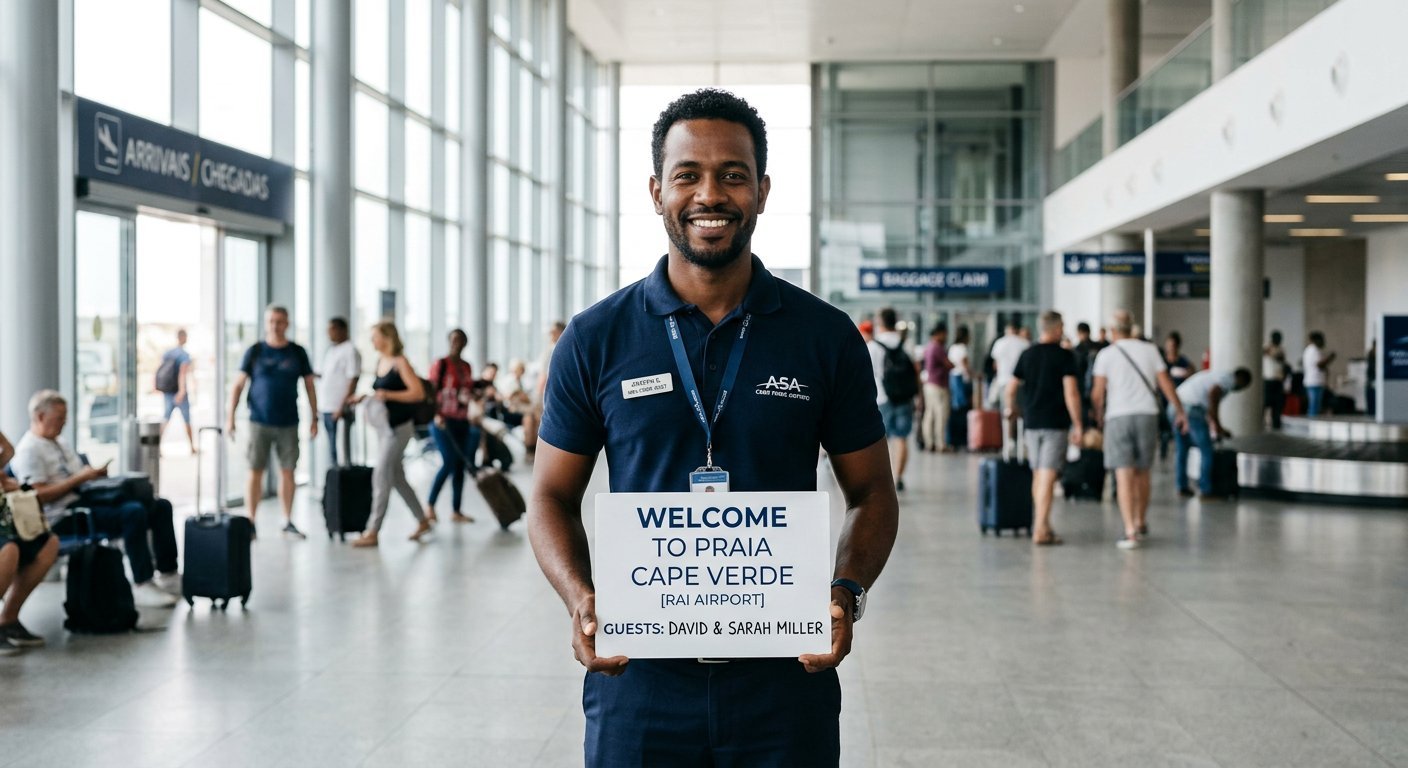
When a German, British, Portuguese, or American visitor arrives in Cape Verde, what do they actually take in? What shifts in how they understand the culture after a guided welcome, versus arriving cold with no context?
LAGAI’s Welcome Experience is not only a tourism programme — it is a live research setting. Every consenting visitor who passes through becomes a data point in our ongoing study of intercultural reception, producing insights no survey conducted at a distance could generate.

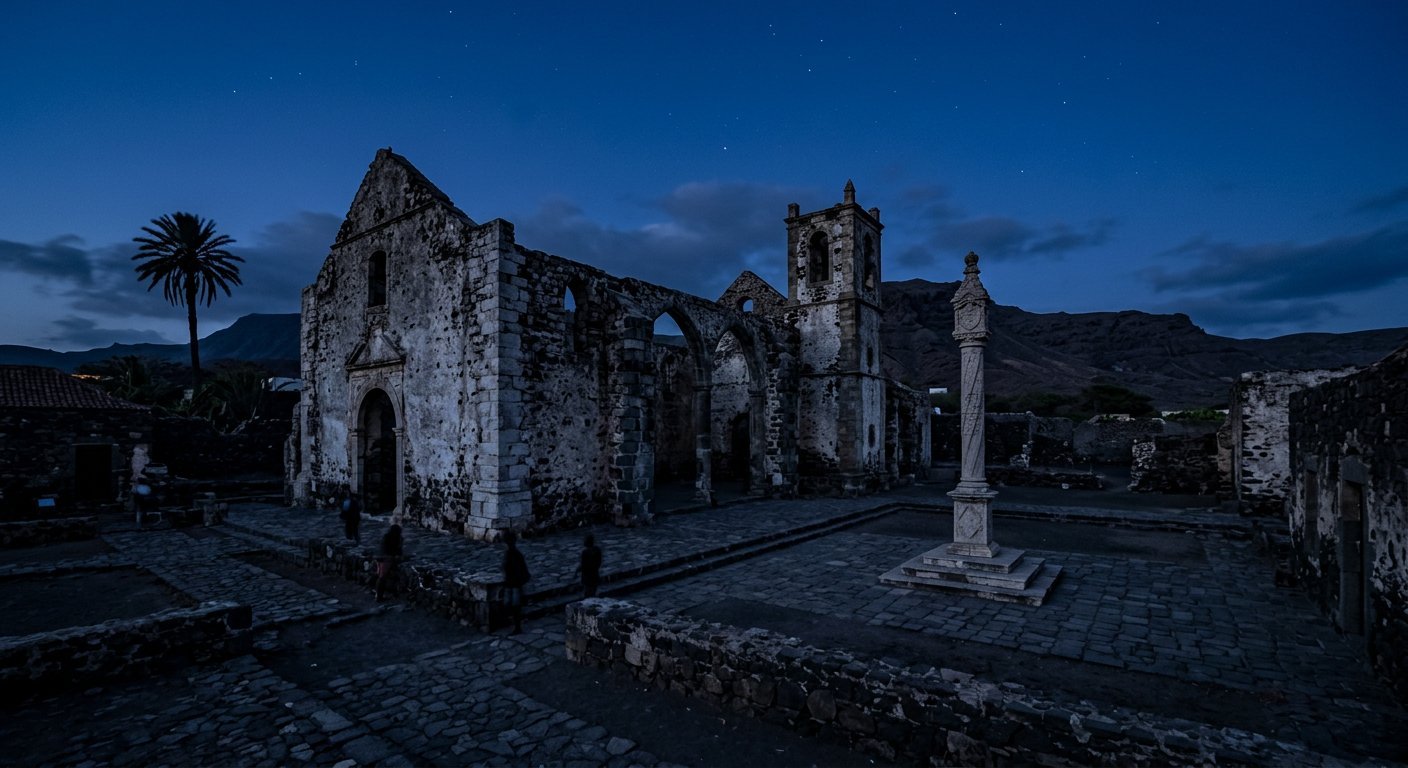
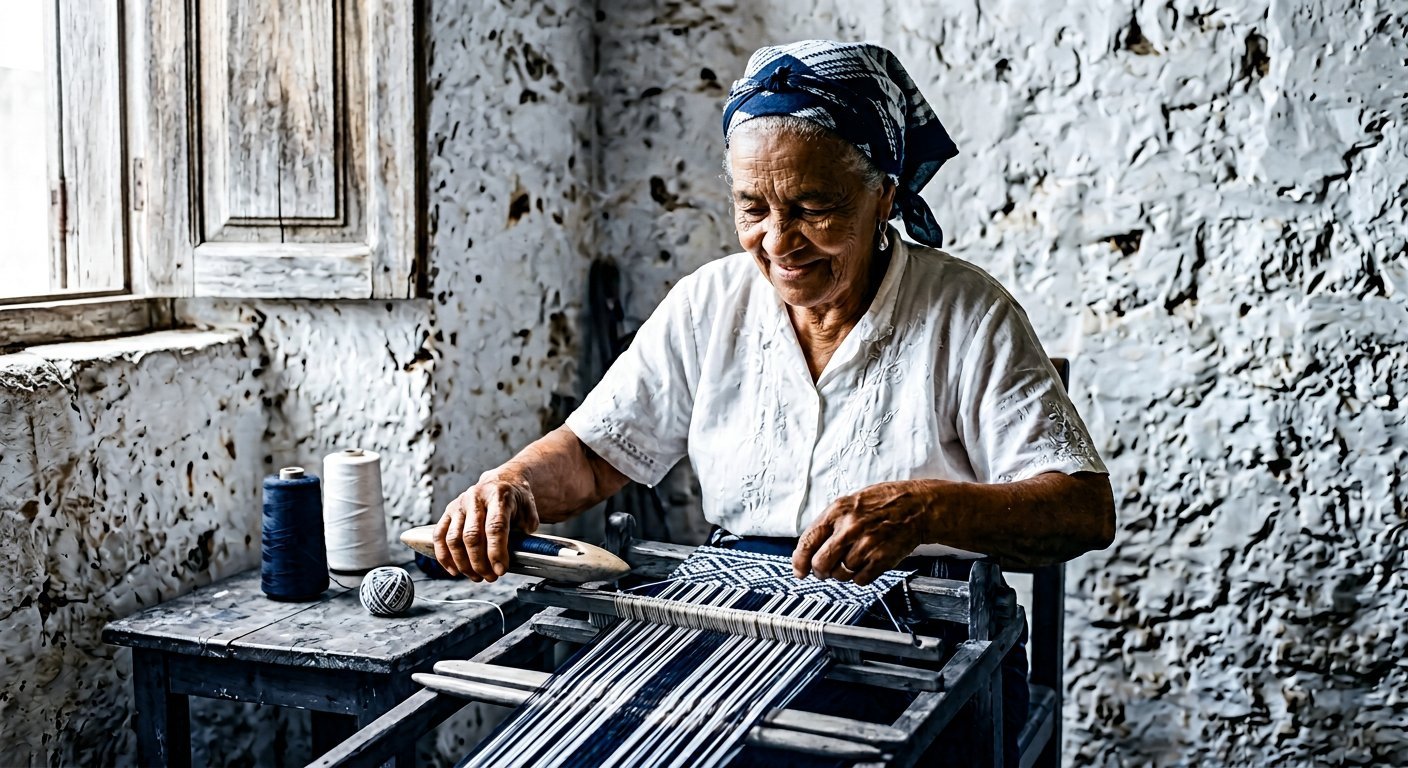
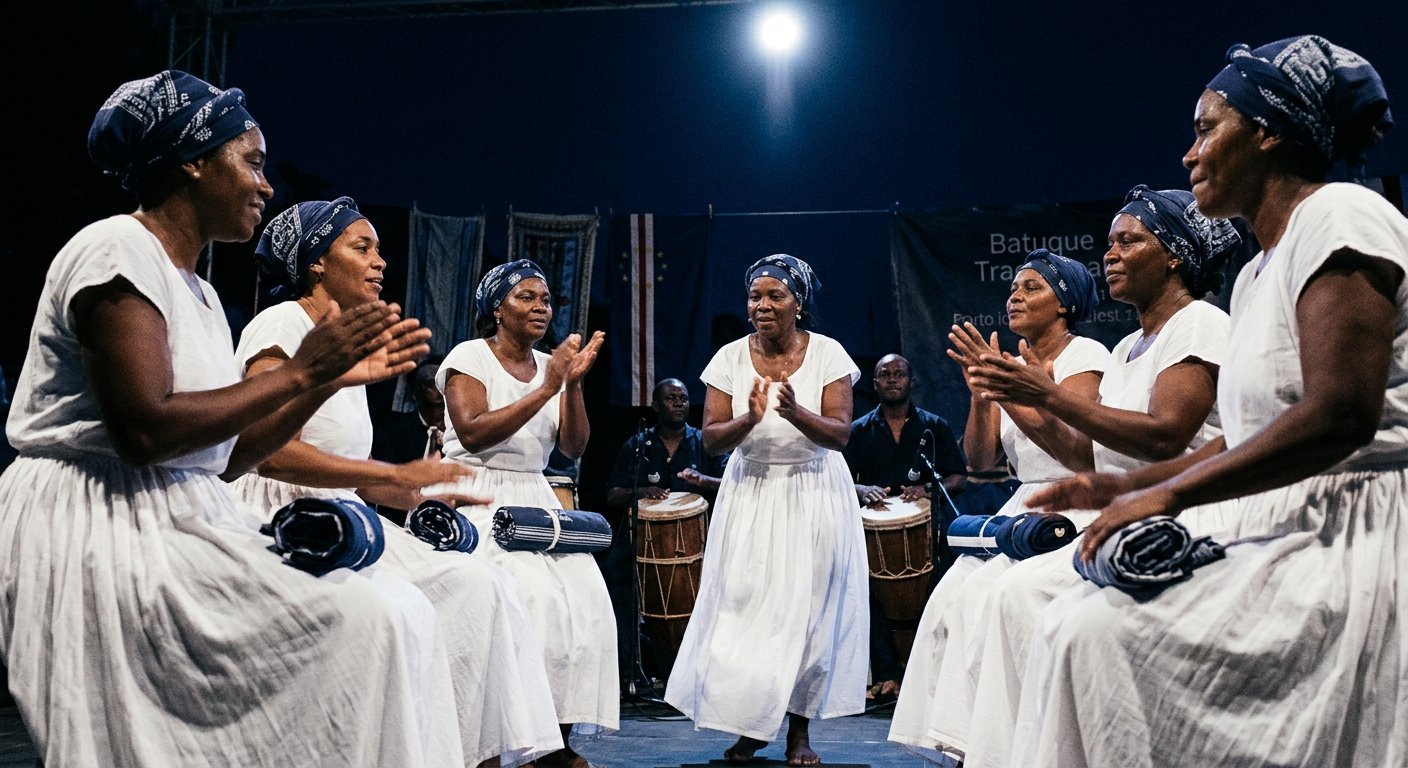
Cape Verde’s intangible cultural heritage — Batuque, Funana, Morna, traditional crafts, festival practices — is living and practised, but documentation of these traditions is incomplete and fragmented.
The Cultural Research Department works with communities on Santiago Island and across the archipelago to record, analyse, and preserve these practices — building toward formal recognition under UNESCO’s Intangible Cultural Heritage framework, and ensuring the traditions survive for the communities that hold them.
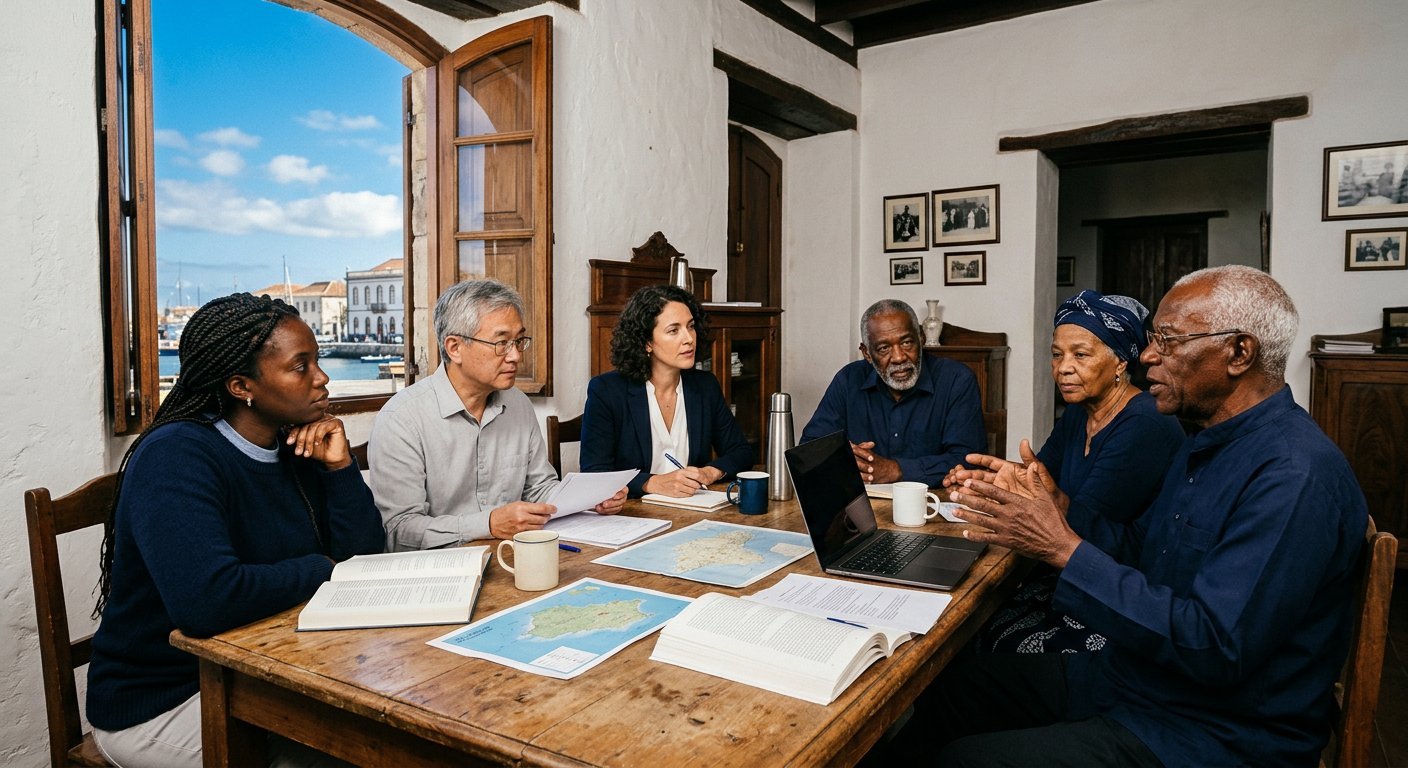
Cultural research in Africa has a complicated history — too often, knowledge has been extracted from communities without consent, credit, or benefit flowing back to those communities.
LAGAI’s approach is built on the opposite principle. Every study we conduct applies informed consent, community co-authorship, and shared findings as non-negotiable standards — not ethical add-ons to be considered if time permits, but the conditions under which research happens at all.
From founding to first findings
Department founded
The Cultural Research and Tourism Department is constituted within LAGAI, with founding mandate to conduct ethically-grounded cultural research across the four-nation partner network.
Ethics framework drafted
The internal Cultural Research & Ethics framework is formalised, embedding informed consent, community co-authorship, and findings repatriation as non-negotiable conditions of every study.
Welcome Experience pilot opens
The pilot cohort of the Welcome Experience begins arriving in Praia, simultaneously launching the first active study (Intercultural Reception in Structured Welcome Tourism).
Batuque documentation begins
First field sessions with community elders on Santiago Island. Audio + video archive of the Batuque tradition initiated, with full community consent and co-authorship.
First peer-reviewed paper
Preliminary findings from the Intercultural Reception study published, with co-authorship from visiting research fellows across the four partner nations.
Public ethics framework release
The LAGAI ethics framework opened as a public resource for other institutions working on cultural research in Lusophone and African contexts.
Research with people, not about them.
Every study we run — whether with a visiting traveller, a local artisan, or a community elder — follows the same ethical standards. Consent is sought plainly. Participation is always optional. Findings are shared back to the communities involved, not extracted and published elsewhere without return.
These are not aspirational values. They are operational requirements embedded in how research is designed, not applied after the fact.
Sought in plain language, in the participant’s own language, before any data is collected.
Communities are involved throughout the research process — not only at the start or the end.
Anonymised, protected, and never shared in identifiable form without explicit permission.
Every finding is reported back to the communities and participants involved, in formats they can use.
Community members are co-authors, not acknowledgements — wherever the research originated with them.
Participating communities retain the right to withdraw findings from publication at any stage.
A small, deliberately interdisciplinary team
The Cultural Research and Tourism Department draws together expertise from cultural anthropology, tourism studies, intercultural communication, and Cape Verdean community practice.
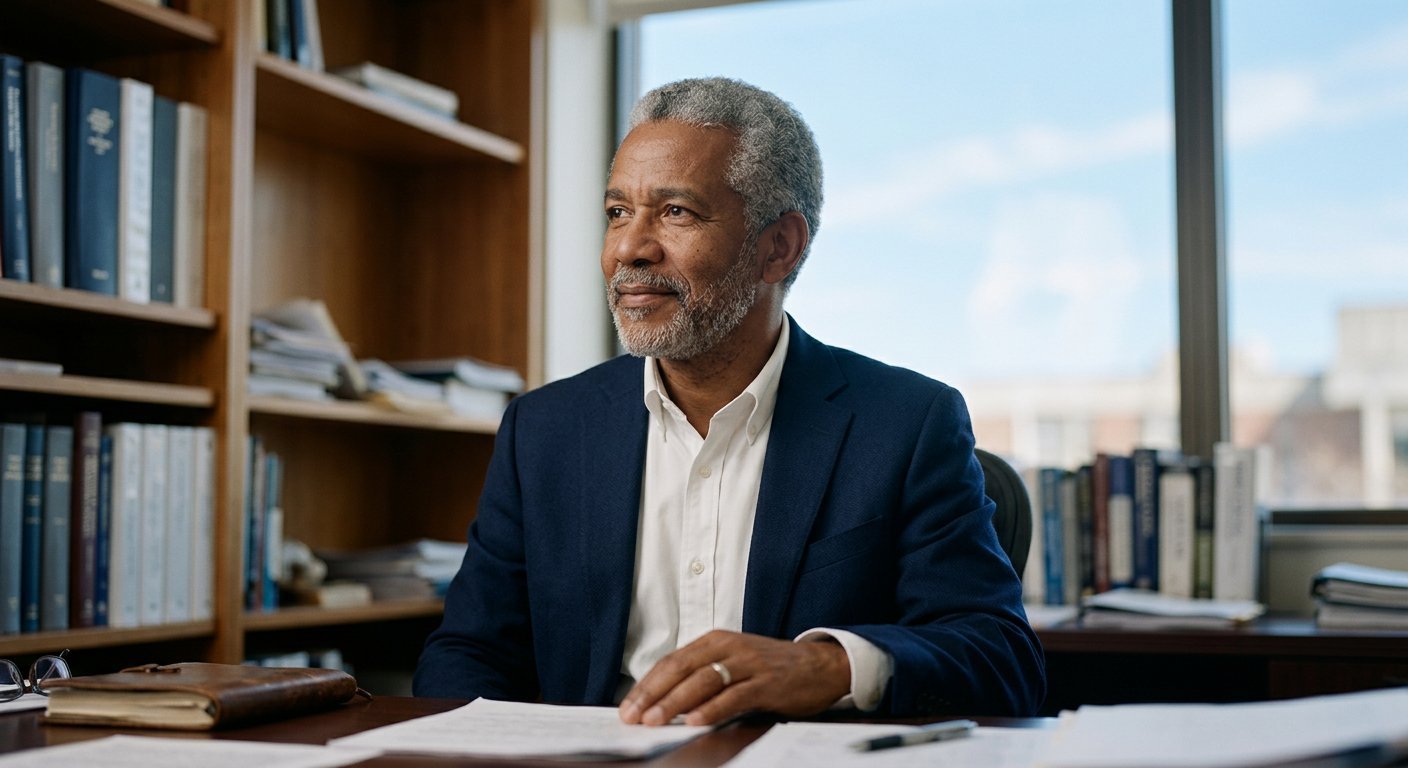
Department Director
Leads the research programme, the ethics framework, and the Welcome Experience design. Based in Praia.
Field Researchers
A rotating team working alongside community elders, musicians, artisans, and festival organisers across Santiago and the archipelago.
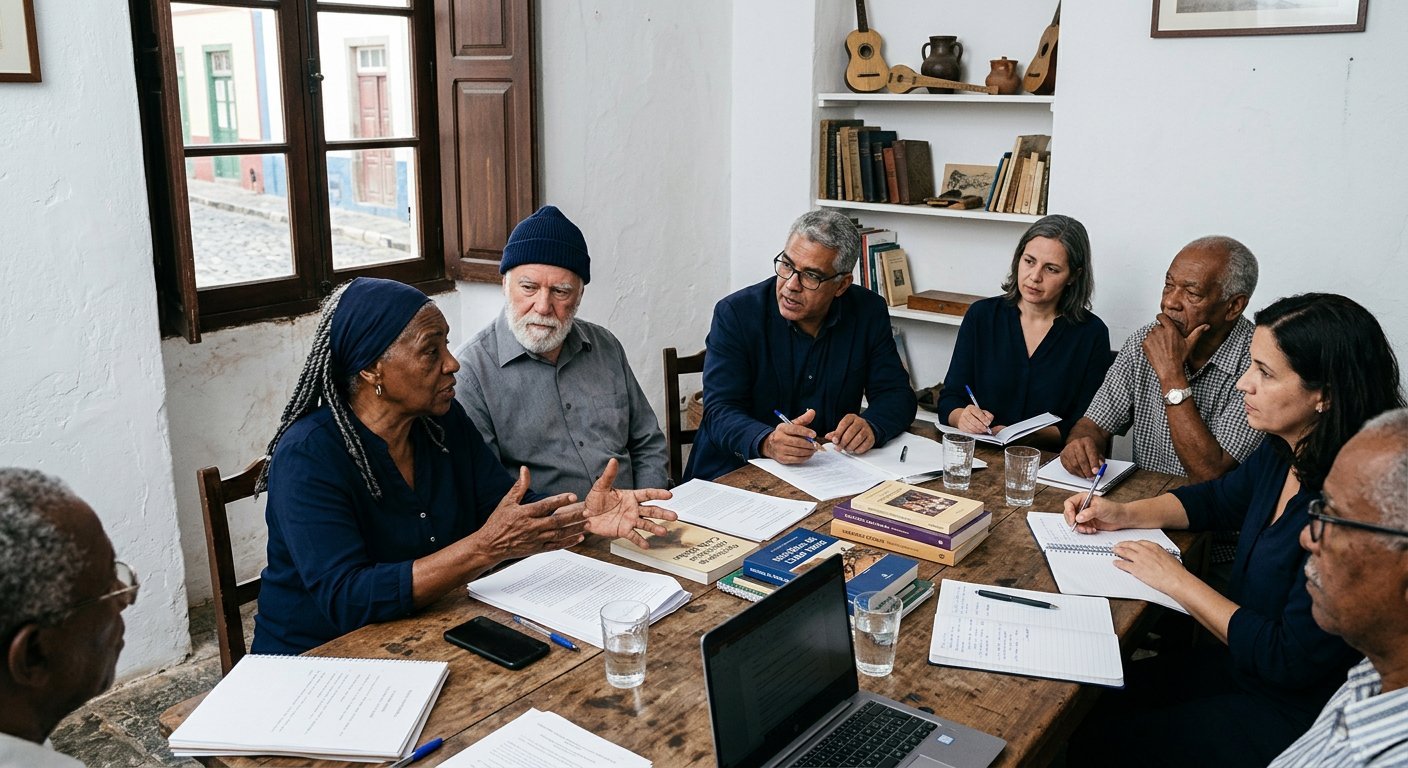
Network Fellows
Visiting researchers and academic partners contributing expertise from across the four-nation network.
Working on cultural heritage, intercultural exchange, or tourism research?
We welcome collaboration with researchers, cultural institutions, government bodies, UNESCO-aligned organisations, and institutions working across the Cape Verde–Europe corridor.